
7 Signs Your Construction Equipment Needs Professional Repair

When it comes to construction equipment, keeping everything in top shape is essential for safety and efficiency. Ignoring minor issues can lead to costly repairs and extended downtime. Here are some key signs that indicate it's time to call in the experts for professional equipment repair.
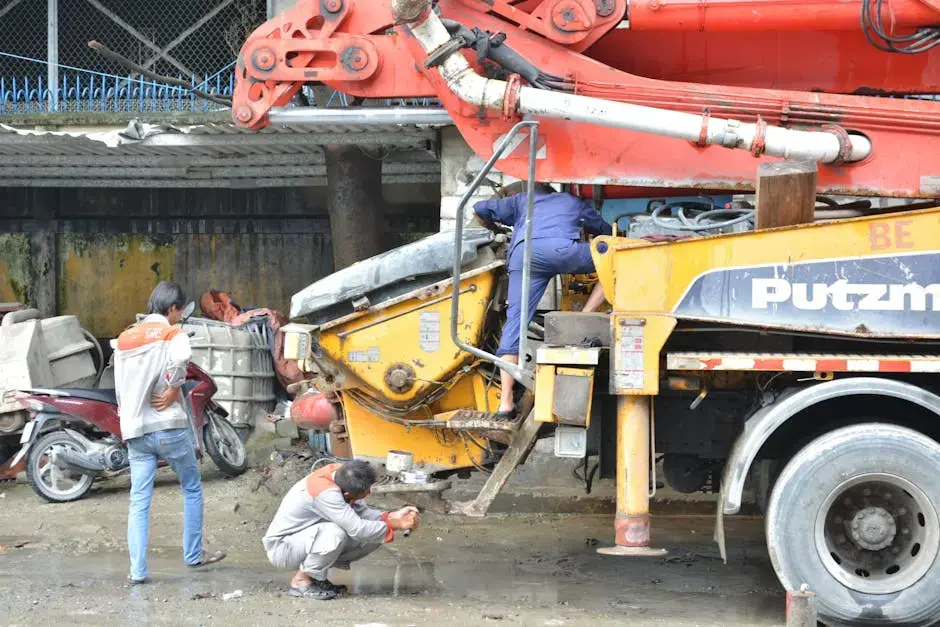
1. Unusual Noises Indicating Trouble
Pay attention to any strange sounds coming from your machinery. Grinding, clanking, or hissing noises can signal serious issues that need immediate attention.
Sounds that are out of the ordinary shouldn't be dismissed as mere quirks of aging equipment. Often, these noises hint at crucial components that may be failing, such as gears, belts, or bearings. When these parts begin to wear down, they not only create noise but also risk complete equipment failure. The longer you ignore these sounds, the more serious the damage could become.
2. Frequent Breakdown of Equipment
If your equipment is breaking down more often than usual, it might be a sign that professional repair is necessary. Multiple issues could be compounding, indicating deeper systemic problems.
Consider the frequency of these breakdowns. Is it happening every few weeks or after every project? Frequent breakdowns not only lead to increased repair costs but also result in project delays and lost revenue. All of this adds up, turning what might seem like a small inconvenience into a major business liability.
It's also worth remembering that older machines will naturally require more upkeep. However, if even relatively new equipment is struggling with these frequent outages, it may be time to enlist a professional's help. Their expertise can often pinpoint the root issue that may not be immediately apparent.
3. Decreased Performance Efficiency
Noticeable drops in performance, such as slower operation or reduced lifting capacity, can be warning signs that components need expert servicing to restore full functionality.
Is it taking longer to complete tasks that were once efficient? Declining performance can be frustrating and costly. It's important to acknowledge that this may not just be a result of operator error or changing job conditions; rather, it often points to mechanical issues that need to be addressed. A minor problem, such as a dirty filter or worn-out part, can snowball into even larger inefficiencies.
4. Visible Damage or Wear
Inspect your equipment regularly for visible signs of damage, like cracks or rust. Physical issues often affect performance and should be addressed by professionals.
Dents, scratches, and significant rust can compromise not only the appearance but also the safety and operation of your machinery. Just like a rusty piece of metal can weaken its structure, visible damage may lead to hidden faults that could cause future breakdowns or even accidents on the job site.
Schedule routine visual inspections and encourage your team to report any signs of wear they observe. The sooner you catch these issues, the fewer complications you'll face down the line. Don't forget that the appearance of your equipment can also reflect on your brand; maintaining it shows your clients that you take pride in your business.
5. Overheating Problems
If your machinery is frequently overheating, it could point to ventilation issues or problems within the engine. This is a critical sign that requires prompt professional inspection.
Overheating not only affects performance but poses serious risks to safety. Ignoring this issue can lead to catastrophic engine failures, potentially jeopardizing both workers and jobsites. If you notice that your equipment runs significantly hotter than usual, it’s time to address it rather than push it until something fails completely.
Don’t forget that overheating can also be linked to other issues, such as low oil levels or blocked exhaust systems. Engaging a trained professional can help identify the root cause and ensure that all heating issues are resolved efficiently.
6. Fluid Leaks That Can't Be Ignored
Leaks of any kind—oil, hydraulic fluid, or coolant—are serious concerns. They can lead to equipment failure and should be evaluated by a qualified technician.
Fluid leaks are not just sloppy; they indicate potential problems that could escalate if left unattended. For instance, oil leaks can significantly decrease the lubricant necessary for a smooth operation, leading to increased wear on parts. Similarly, hydraulic fluid leaks can cause a loss of power to move machinery efficiently.
It's wise to maintain a log of any leaks you observe and their quantities. This information can help technicians diagnose issues more effectively when it’s time for that professional repair.
7. Warning Lights or Error Codes
Modern equipment often comes with built-in diagnostic features. Don't ignore warning lights or error codes; they’re your equipment's way of signaling that something needs professional attention.
Each warning light often corresponds to specific issues that, if not addressed, can lead to larger complications. For example, an engine warning light might indicate problems with fuel efficiency that wouldn't just affect the machine but your budget as well.
Modern technology is quite advanced, and ignoring these signals is akin to ignoring check engine lights in your car. Whenever you notice those alerts, prioritize obtaining an evaluation from a skilled technician—early detection is key to larger problem prevention.


Comments