
9 Ways to Maximize the Lifespan of Your Construction Machines

Construction machines are a significant investment for any project, and ensuring their longevity is crucial for maintaining efficiency and reducing costs. Here are nine practical tips to help you maximize the lifespan of your construction machines while keeping them in top-notch condition.
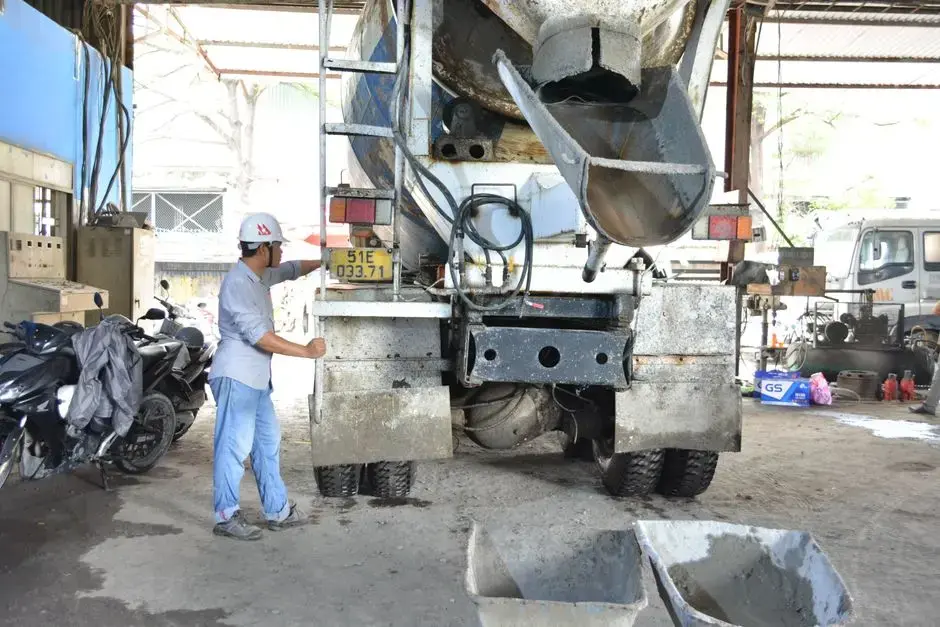
1. Regular Maintenance Checks
Consistent maintenance is essential for the longevity of your construction machines. Schedule regular check-ups to ensure that all components are functioning correctly. These inspections should not only focus on the exterior but also assess the internal mechanisms. Things such as belts, oil levels, and filters can often go unnoticed, leading to significant wear if left unchecked. It’s wise to keep a maintenance log, documenting every check and repair, which will help you track patterns and predict future issues.
Furthermore, don't hesitate to consult with professionals who specialize in construction machine maintenance. Their expertise can provide insights into potential problems you may overlook. Being proactive about maintenance can spare you costly repairs down the road. Regular checks also instill confidence in your operation, knowing you have a reliable fleet ready for the challenges ahead.
2. Proper Training for Operators
Educate your operators on the correct handling and operation of the machines. Well-trained personnel reduce the risk of wear and tear caused by improper usage. Providing regular training sessions keeps your team updated on best practices and safety regulations, fostering not just efficiency but also a culture of safety within your work environment.
Moreover, consider implementing mentorship programs where experienced operators can share their insights with newcomers. This knowledge transfer is invaluable, as it ensures that best practices are passed down and everyone operates according to standards that maximize machine life. A well-informed operator is one of your best defenses against mechanical mishaps.
3. Use High-Quality Parts
When it comes to repairs, always opt for high-quality parts. Using original equipment manufacturer (OEM) parts can help maintain optimal performance and durability. Although it might be tempting to choose cheaper alternatives to save costs, this often leads to more significant issues later on that can jeopardize the integrity of your machines.
Choosing quality parts simply means you are investing in the future of your equipment. Not only do they offer better reliability, but they often come with warranties and support from the manufacturers. This security is crucial when you are in the middle of a project where time and efficiency are of the essence. Never underestimate the power of high-quality components—they are a foundation for longevity.
4. Optimize Operating Conditions
Always use construction machines in suitable conditions. Avoid running heavy equipment on rough terrain whenever possible to reduce strain on the machinery. Each machine has its intended environment, and respecting those boundaries helps preserve its function for years.
Weather conditions can also play a crucial role; operating in extreme temperatures or wet conditions can take a toll. If you can, prepare your schedule to avoid adverse weather—this shows respect for both your machines and your workforce. The right conditions lead to smoother operations and less frequent breakdowns, which translates to increased productivity overall.
5. Monitor Fluid Levels Regularly
Make it a habit to check and maintain proper fluid levels in your machines. This includes oil, hydraulic fluid, and coolant to ensure smooth operation. Regular monitoring not only ensures optimum performance but also helps you catch potential leaks early on.
Fluid quality is just as important as quantity. Dirty or contaminated fluids can cause severe damage, leading to costly downtime. Regularly changing the fluids according to the manufacturer's schedule is one of the simplest ways to ensure your machinery runs smoothly. A solid routine in maintaining fluids can save headaches in the long term.
6. Implement Efficient Scheduling
Plan your projects and machine usage efficiently. Avoid overworking machines by scheduling rest periods to let them cool down and recover. Just like any hardworking individual, machines need downtime to function at their best.
This strategy will not only extend the life of your machines but will also enhance their overall performance. Utilize a system to track the operating hours of your machines; over time, it can give you insight into when to plan those recovery periods, ensuring optimal productivity while respecting the equipment.
7. Keep Up with Software Updates
Many modern construction machines come equipped with advanced technology. Regularly update software to ensure the machines operate at their best. Keeping software up to date can enhance functionality, introduce new features, and fix bugs, all of which can contribute to a smoother operation.
A well-optimized machine with the latest software will often outperform its counterparts, and can even reduce the need for physical repairs. Keeping records of software updates will also help technicians troubleshoot issues more efficiently should they arise. Don’t let outdated technology hinder your productivity!
8. Inspect Tires and Tracks
Check tire pressure and track conditions regularly. Well-maintained tires and tracks can improve traction and reduce wear on the equipment. This inspection is crucial, especially before starting a project, as the condition of your tires directly relates to the safety and reliability of the machine.
An often overlooked detail, maintaining proper pressure according to the manufacturer’s recommendations can help save fuel and enhance the performance of the machine. Regular tire rotations, inspections, and replacements when necessary will ensure your equipment remains roadworthy and ready for action.
9. Address Issues Promptly
If you notice any strange noises or performance issues, address them immediately. Timely repairs can prevent further damage and costly repairs down the line. Establishing a culture where operators feel encouraged to report issues as they arise can save both time and money.
Additionally, scheduled downtime for inspection lets you catch problems that may not yet be noticeable. Being proactive is far cheaper than waiting until something breaks. Implement a reporting system where every worker can make their observations, ensuring that no issue is too small to address. This will foster a more diligent workforce and a more fruitful operation.


Comments